
Simple Sensors
Simple sensors are cards that measure precise real-world parameters: distance, volume, temperature, movement, etc... They're easy to connect, with no soldering, no components to add, and are compatible with all interfaces. They are haptic and contactless sensors for sensory art, performance, dance, music and real-time interactivity.
Imagine transforming the delicate touch of a hand, the pressure of a step, the intensity of a breath or ambient heat into sound elements, color variations, percussive rhythms, movement... Environments such as Max MSP, Processing, Touch Designer or Usine help you put these ideas into practice.
Our interfaces simplify this process by converting the signals from these small sensors into Midi or OSC language, universal protocols for musical and visual creation.

Subcategories
-

Switches
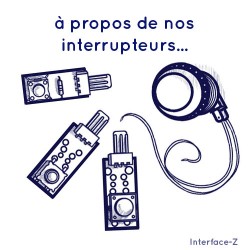
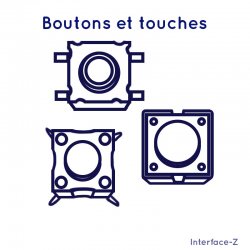
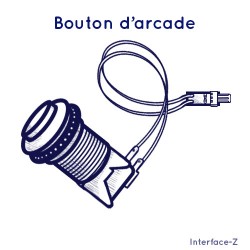
Switches, knobs, buttons, detectors and other all-or-nothing sensors with momentary contacts. These can be on-board sensors, decorative elements, customized or re-adapted objects and tools for mechanical installations.
-

Potentiometers
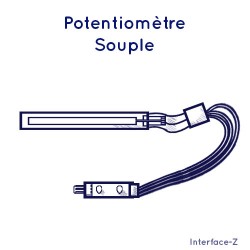
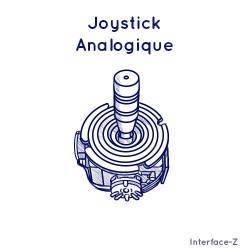
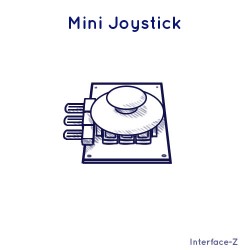
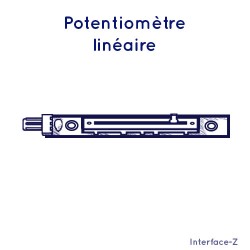
Rotary potentiometers, sliders, joysticks, ribbons...
- Position or angle measurement
- Gradual analog response, whose intensity depends on the measurement
- Contact-activated sensors
/|\(o;;;O)/|\
-

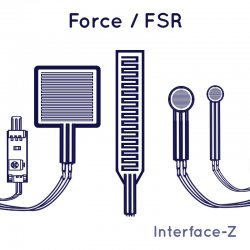
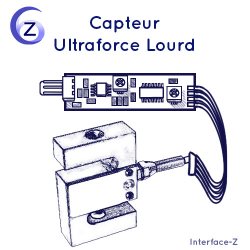
Weight and contact...
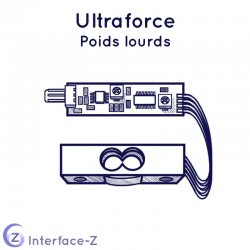
Fine tactile sensors, resistive surfaces, load cells, strain gauges...
- Measurement of pressure, force, weight, push, support position
- Gradual analog response, intensity depending on the measurement
- Touch-activated sensors
-

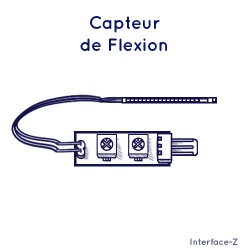
Bend & curvature
Bend, flexion or stretch sensors, worn on joints for dancing, inserted into mechanisms to detect movements...
- Measuring curvature, bending
- Gradual analog response, whose intensity depends on the measurement
- Touch-activated sensors
-

Traction & Stretching
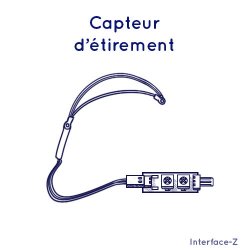
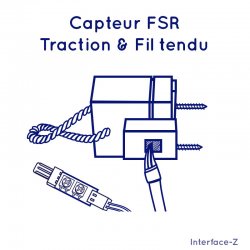
Stretch, wire pulling, mecanical tension, traction, hanging, suspension sensors...
- Traction, linear stretching, force measurement
- Analog gradual response
- Contact sensors
-

Dynamism and motion
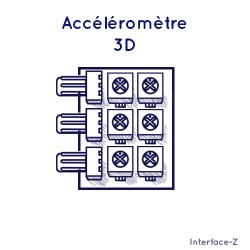
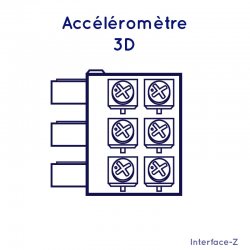
Dynamic sensors: measure the acceleration or speed of a movement. They are mounted on the moving element.
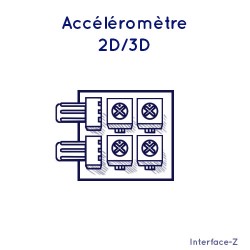
- Measurement of speed, acceleration, angle of inclination (acceleration of gravity)
- Gradual analog response, whose intensity depends on the measurement
- Contact sensors
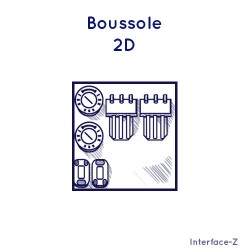
Note: The compass is not dynamic, but is often used in the same circumstances as the inclinometer/accelerometer.
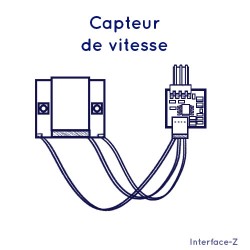
Motion or speed sensors: fixed in a setting or location, they monitor movements within their range.
- Speed measurement, motion detection
- Complexe, analog response
- Contactless sensor
-

Magnetism
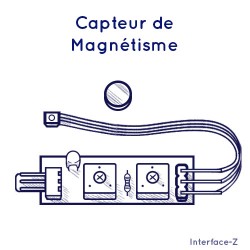
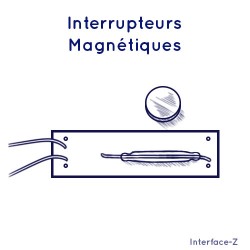
Sensors using the magnetism of either the Earth (compass) or a magnet.
- Distance or orientation measurements
- Gradual, analog response, with intensity depending on measurement, except for Reed Switches which are all or nothing.
- Sensors activated without contact
-

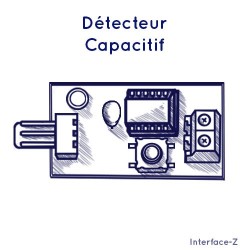
Capacitive effect
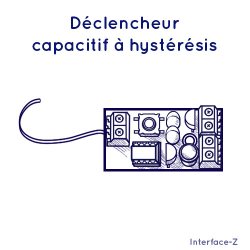
Magic sensors! Sensors operating with a conductive antenna, that can be accessible or concealed in an object.
- Proximity and contact detection
- Analog or all-or-nothing response
- Remotely activated sensors
-

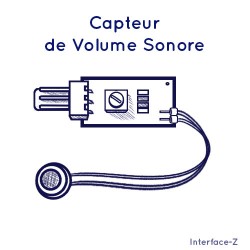
Mechanical waves
Mechanical waves: sound waves or waves propagating in materials.
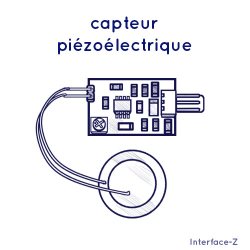
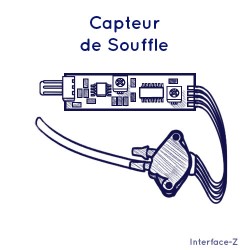
- Vibrations, breath, percussions, sound volume detection
- Gradual analog response, whose intensity depends on the measurement
- Sensors activated remotely, or with a contact but at a distance from the sensor !
-

Infrared waves
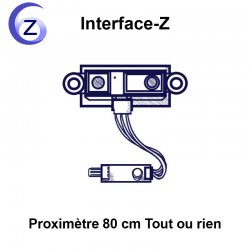
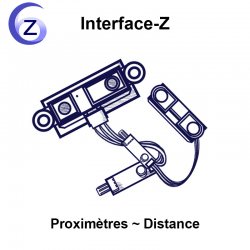
Sensors based on infrared electromagnetic waves: heat (far infrared) and light (near IR). Even though they use waves, these sensors measure other parameters such as distance.
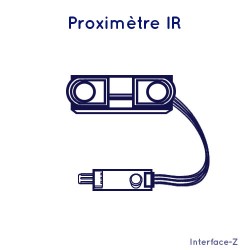
- Distance measurement, passage, motion detection, light barriers
- Analog, graduated, or on/off response depending on model
- Contactless, remote-activated sensors.
-

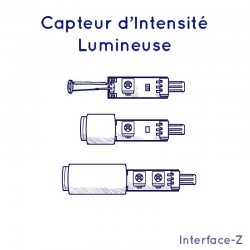
Lumière visible
-

Atmosphère